
 by
by 
Gas prices hit us twice: first at the pump, and then again everywhere else—because fuel costs ripple into shipping, deliveries, rideshares, groceries, and basically anything that touches a truck. Gasoline is literally tracked inside the Consumer Price Index (CPI), and “motor fuel” (including gasoline) is a measurable slice of the inflation picture. Bureau of Labor Statistics+1
So let’s tackle the big question: Does the type—and brand—of gasoline you use actually matter for gas mileage and performance?
As a rideshare and delivery driver who puts a premium on saving money on gas. I will tell you my best performing gasoline of all time. It is hands down Shell
The gas lasts longer than other gasoline brands. Even if I pay more for it which is not always the case. I win out. I would assume it is also better for my car.
So going cheap does not pay off at all.
So , I did a little research to see if it is true. Is Shell hands down better than other gasoline brands? Or is it just a figment of my imagination?
I promise you that elephants do fly. They do! One day I will do a case study on that. Until then let ‘s find out about the quality of the gasoline that we put in our cars.
Now let’s put some real-world “driver science” around that experience.
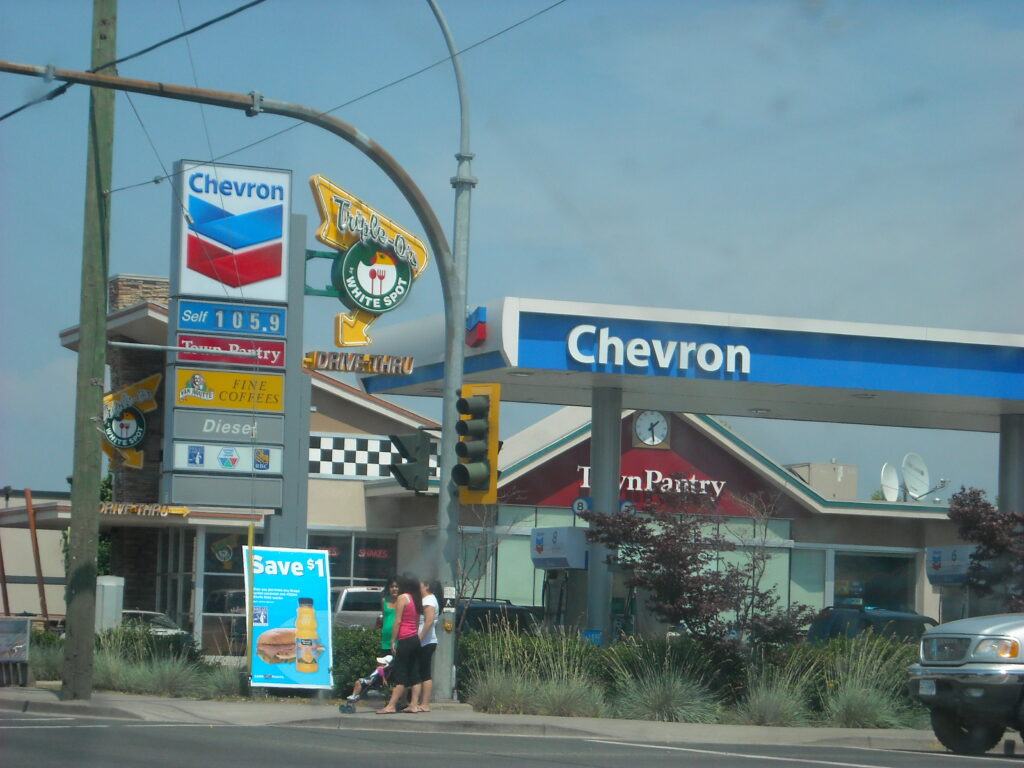
Does gasoline brand matter?
Yes… but not in the way most people think.
In many areas, gasoline from different brands is transported through shared pipelines and stored at the same terminals, and it can be commingled (mixed) in the distribution system. That’s one reason it’s hard to identify the exact “origin” of the gasoline at a specific station. U.S. Energy Information Administration+1
Where brands can differ is mainly here:
Additives (detergents) are the real separator
Brands often use proprietary additive packages that get injected/blended as fuel leaves the terminal for delivery. Convenience industry sources describe these additives as a key difference between branded fuels. Convenience+1
And this is where your “Shell feels better” experience can make sense—because additive quality can affect engine deposits, and deposits can affect performance and MPG over time.
Are additives the difference in gasoline quality?
For modern engines, deposits are a big deal.
AAA testing found that non-TOP TIER gasolines caused far more engine deposits than TOP TIER brands in simulated driving—up to 19× more in their reporting. They also note deposits can reduce fuel economy and performance. AAA Fuel Prices+1
AAA’s research summary also points out that long-term use of gasoline without an enhanced detergent package can be associated with fuel economy reductions (commonly cited in the 2–4% range) and drivability issues. AAA+1
So: brand can matter most when it’s really “additive package vs. no additive package,” not “magic molecules from one brand.”
Regular vs Plus vs Supreme: does it actually matter?
Octane isn’t “power.” It’s knock resistance.
The main grades—regular, midgrade, premium—are basically octane choices (antiknock rating). That’s it. U.S. Energy Information Administration+1
Will premium get you better MPG?
- If your car requires regular, AAA found no significant fuel economy benefit from using premium. AAA Newsroom+1
- If your car recommends (but doesn’t require) premium, AAA testing showed some vehicles can see small MPG changes in certain conditions, but often not enough to justify the extra cost. AAA Newsroom+1
Rule: Follow your owner’s manual. Premium is not a “treat”—it’s a tool for engines designed to use it. AAA Fuel Prices+1
A bigger MPG factor than brand: formulation (especially ethanol)
Most gasoline sold in the U.S. is about 10% ethanol (E10). U.S. Energy Information Administration
Ethanol has less energy per gallon than gasoline, and EIA notes that fuel economy may drop ~3% with E10 compared with non-ethanol gasoline (all else equal). U.S. Energy Information Administration+1
So sometimes what feels like a “brand difference” is really:
- ethanol blend differences,
- seasonal blends (summer vs winter),
- or regional requirements. U.S. Energy Information Administration
Convenience store gas (like 7-Eleven): lower quality or not?
Not automatically.
Convenience stores sell ~80% of the fuel purchased in the U.S., so if convenience fuel were “junk,” we’d all be broken down on the shoulder together. Convenience+1
But here’s the practical truth:
- Many stations (including branded ones) can be drawing from the same supply terminals, with differences mainly in additives. U.S. Energy Information Administration+1
- If a station sells TOP TIER fuel (or a listed TOP TIER brand), you’re getting higher detergent standards that AAA testing supports. AAA Fuel Prices+1
Translation: A convenience store can sell great gas if it’s TOP TIER (or if it’s pumping a TOP TIER licensed brand).
Which gas brands are “best” for MPG?
The best “shortcut answer”: pick TOP TIER gas when possible
TOP TIER isn’t a marketing slogan—it’s a detergent standard referenced widely by automakers, and AAA testing supports meaningful deposit differences between TOP TIER and non-TOP TIER fuels. AAA Fuel Prices+1
Here’s your requested brand comparison (based on the official TOP TIER licensed brand list):
| Brand | TOP TIER Listed? | What that implies for MPG/performance |
|---|---|---|
| Shell | ✅ Yes | Strong pick for long-term cleanliness; your experience lines up with “enhanced detergent” benefits. TOP TIER™ Fuel Standards+1 |
| Exxon | ✅ Yes | Comparable “cleanliness standard” class as Shell if buying TOP TIER-branded fuel. TOP TIER™ Fuel Standards+1 |
| Chevron | ✅ Yes | Same TOP TIER detergent standard category. TOP TIER™ Fuel Standards+1 |
| Marathon | ✅ Yes | Same TOP TIER detergent standard category. TOP TIER™ Fuel Standards+1 |
| CITGO | ✅ Yes | Same TOP TIER detergent standard category. TOP TIER™ Fuel Standards+1 |
| Valero | ✅ Yes | Same TOP TIER detergent standard category. TOP TIER™ Fuel Standards+1 |
| BP | ❌ Not shown on current TOP TIER list | Still must meet legal fuel standards, but may not meet TOP TIER detergent level unless the station sells another listed brand. TOP TIER™ Fuel Standards+1 |
| 7-Eleven (convenience brand) | ❌ Not a listed gasoline brand | Fuel can vary by supplier; what matters is what brand is on the pump/signage and whether it’s TOP TIER. TOP TIER™ Fuel Standards+1 |
A quick “availability reality check”
Shell, Exxon Mobil, Marathon, Chevron, Valero, and CITGO also rank among the largest fuel brands by U.S. locations (so they’re easier to find consistently). ScrapeHero
What country does the oil come from, and does that matter?
It matters to geopolitics and pricing—but it usually doesn’t help you pick the “best station” on your commute.
EIA explains why: the crude oil mix can vary, gasoline and products move through shared pipelines, get tested to meet specs, and then get finished/blended before delivery. It’s very difficult to pin a retail gallon to a specific crude source. U.S. Energy Information Administration+1
For drivers, the more useful “origin story” is:
- Does it meet required specs for your region/season? U.S. Energy Information Administration
- Does it have a strong detergent package (TOP TIER)? AAA Fuel Prices+1
- Is the station well maintained and high-turnover (fresh fuel, less risk of water/contamination issues)?
So… is Shell “hands down” better?
Here’s the fairest, evidence-aligned way to say it:
- Shell is a TOP TIER brand, and TOP TIER fuels show big advantages in keeping engines cleaner than non-TOP TIER fuels in AAA testing. TOP TIER™ Fuel Standards+1
- That supports the idea that Shell can deliver a real long-term benefit—especially for high-mileage drivers (rideshare/delivery) who rack up deposits faster.
- But it’s hard to prove Shell is universally “better than every other TOP TIER brand” for MPG. The strongest data is “TOP TIER vs not TOP TIER,” not “Shell beats Chevron in every zip code.”
In other words: your “Shell wins” story is very plausible—but the broader lesson is: consistent TOP TIER fuel + correct octane + good driving habits is the most repeatable MPG strategy. AAA Fuel Prices+1
The quick checklist for best gas mileage (driver edition)
- Use the octane your manual calls for (don’t donate money to the word “premium”). AAA Fuel Prices+1
- Choose TOP TIER brands when possible (Shell, Exxon, Chevron, Marathon, CITGO, Valero, etc.). TOP TIER™ Fuel Standards+1
- Don’t confuse “brand” with “blend” — ethanol content and seasonal formulation can shift MPG more than brand hype. U.S. Energy Information Administration+1
- Pick high-turnover stations (busy pumps = fresher fuel).
- Track your own results: reset Trip A, fill same way, same route style, compare over 3–5 tanks per brand.
(And yes… I’m still waiting on the elephant flight case study.)
Does premium gas give better mileage?
Not if your car is designed for regular—AAA found no significant fuel economy benefit in that situation. AAA Newsroom+1
Is all gas basically the same?
A lot of fuel is transported and stored in shared systems; differences at the pump can come down to additive packages and how gasoline is finished/blended before delivery. U.S. Energy Information Administration+1
Do additives really matter?
Yes for long-term cleanliness. AAA testing found major differences in deposits between TOP TIER and non-TOP TIER fuels, and deposits can hurt MPG/performance over time. AAA Fuel Prices+1
Does ethanol affect MPG?
EIA notes fuel economy may decrease about ~3% using E10 compared with non-ethanol gasoline. U.S. Energy Information Administration+1
I laid out the information so that you can make a decision for yourself. So what do you think? Do you have a favorite gasoline that you use and why?


Leave a Reply